
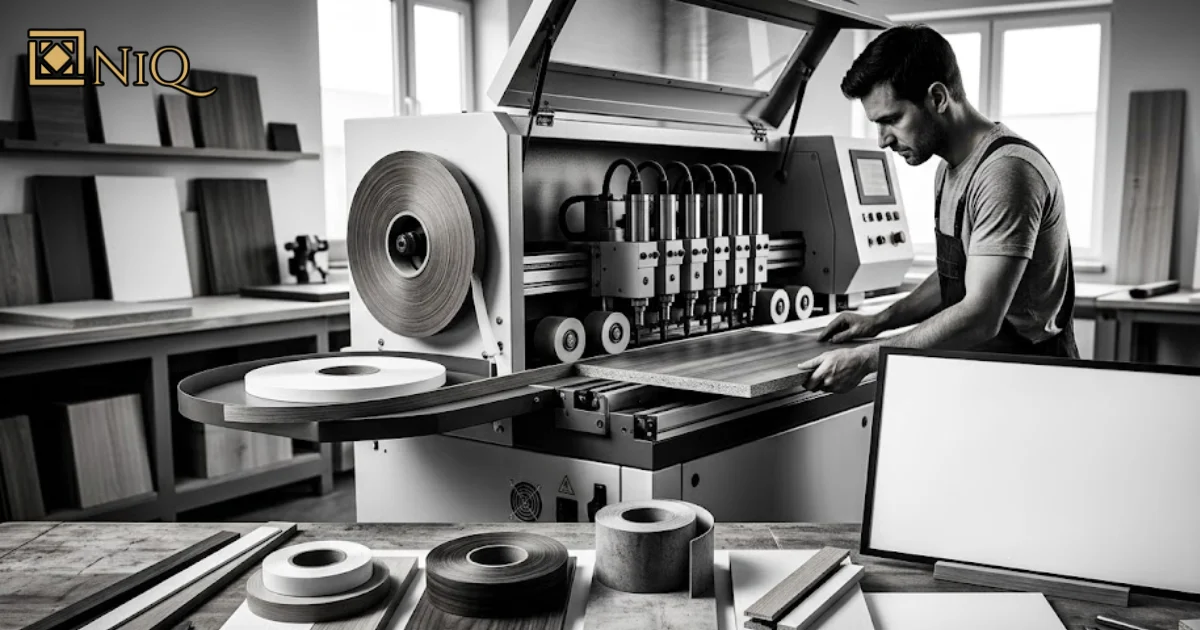

When manufacturing modern furniture, the quality of the edges is just as important as the quality of the panels themselves. Exposed edges on MDF, plywood, particle board, and laminated panels can look unfinished, absorb moisture, and become prone to damage over time. This is where edge banding plays a crucial role.
Edge banding is a finishing process that covers the exposed edges of wood-based panels with a thin strip of material, creating a smooth, durable, and professional appearance. It not only enhances the visual appeal of furniture but also improves its strength, durability, and lifespan.
Whether you’re producing kitchen cabinets, wardrobes, office furniture, or custom interior fixtures, edge banding is an essential step in achieving a premium furniture-grade finish.
What Is Edge Banding?
Edge banding is the process of applying a narrow strip of material to the exposed edges of wood panels after they have been cut. The strip is bonded using specialized edge banding machines that apply heat, pressure, and adhesive to create a strong, seamless bond.
Once applied, the edges are trimmed, polished, and finished to match the surface of the panel, giving the furniture a clean and refined appearance.
Modern edge banding machines ensure consistent application with accurate trimming, smooth corners, and long-lasting adhesion.
Why Is Edge Banding Important?
Without edge banding, exposed panel edges can easily chip, absorb moisture, collect dust, and wear out over time. Applying edge banding helps protect the material while significantly improving the overall quality of the finished product.
Some of the key reasons edge banding matters include:
- Creates a clean, finished appearance
- Protects panel edges from damage
- Increases furniture durability
- Prevents moisture penetration
- Improves resistance to scratches and impacts
- Extends the lifespan of furniture
- Enhances overall product value
Types of Edge Banding Materials
Different furniture applications require different edge banding materials. The most commonly used options include:
PVC Edge Banding
PVC (Polyvinyl Chloride) is one of the most widely used edge banding materials in furniture manufacturing.
It offers excellent durability, moisture resistance, and flexibility while being available in a wide range of colors, textures, and thicknesses. PVC edge banding is suitable for residential and commercial furniture alike.
ABS Edge Banding
ABS (Acrylonitrile Butadiene Styrene) is a high-quality alternative to PVC that is known for its strength and impact resistance.
It provides a smooth finish, excellent durability, and good environmental performance, making it a popular choice for premium furniture and interior applications.
Veneer Edge Banding
Veneer edge banding is made from real wood and is commonly used for natural wood furniture.
It creates a seamless wood appearance that can be stained or finished to match solid wood surfaces, making it ideal for luxury furniture and decorative projects.
Melamine Edge Banding
Melamine edge banding is a cost-effective option often used for low to medium-duty furniture.
It provides a decorative finish that matches melamine-faced panels and is commonly found in office furniture, shelving, and storage units.
Benefits of Edge Banding
Professional Appearance
Edge banding hides the raw edges of wood panels, giving furniture a polished, high-quality finish. Matching colors and textures create a seamless look that enhances the overall design.
Increased Durability
Furniture edges are the areas most likely to experience daily wear and impact. Edge banding protects these vulnerable areas from chipping, cracking, and damage.
Moisture Protection
Wood-based materials such as MDF and particle board can absorb moisture through exposed edges. Edge banding acts as a protective barrier that helps prevent swelling, warping, and deterioration.
Better Scratch Resistance
High-quality edge banding materials offer improved resistance to scratches, helping furniture maintain its appearance even in high-traffic environments.
Longer Furniture Lifespan
By protecting edges from everyday damage, edge banding significantly extends the life of furniture while reducing maintenance and repair costs.
Where Is Edge Banding Used?
Edge banding is commonly used in a wide range of furniture and interior applications, including:
- Kitchen cabinets
- Bedroom wardrobes
- Office desks
- TV units
- Shelving systems
- Reception counters
- Retail display units
- Study tables
- Storage cabinets
- Wall panels
- Modular furniture
- Commercial interiors
Any furniture made from engineered wood panels can benefit from professional edge banding.
The Edge Banding Process
A modern edge banding machine performs several operations in a single workflow:
- Panel feeding
- Adhesive application
- Edge tape bonding
- Front and rear trimming
- Top and bottom trimming
- Corner rounding
- Fine scraping
- Buffing and polishing
This automated process ensures every panel receives a precise, durable, and furniture-grade finish with minimal variation.
Choosing the Right Edge Banding Service
The quality of edge banding depends not only on the material used but also on the machinery, adhesive, and workmanship. Choosing an experienced service provider ensures strong bonding, accurate trimming, and a finish that blends seamlessly with the panel surface.
A professional edge banding service should offer multiple tape options, precise color matching, clean finishing, and strict quality control to deliver consistent results across every project.
Conclusion
Edge banding is much more than a decorative finishing process—it is an essential part of modern furniture manufacturing. By protecting exposed panel edges, improving durability, and creating a seamless appearance, edge banding enhances both the quality and longevity of furniture.
Whether you’re manufacturing kitchen cabinets, wardrobes, office furniture, or custom interior fixtures, professional edge banding adds the finishing touch that transforms cut panels into premium, long-lasting products. Investing in high-quality edge banding ensures your furniture not only looks better but also performs better for years to come.